Monroe County Folio · Rochester, NY

Basement Waterproofing in Rochester, NY

Basement Waterproofing in Rochester, NY starts with the water pattern, not a package of equipment. Rochester Basement Waterproofing Pros helps you talk through wet floor edges, leaking joints, sump arrangements and damp crawl spaces. Describe what changes after rain or melting snow, then discuss an assessment and a written scope for the conditions at your house.

Serving Rochester, Greece, Irondequoit, Henrietta & Monroe County.

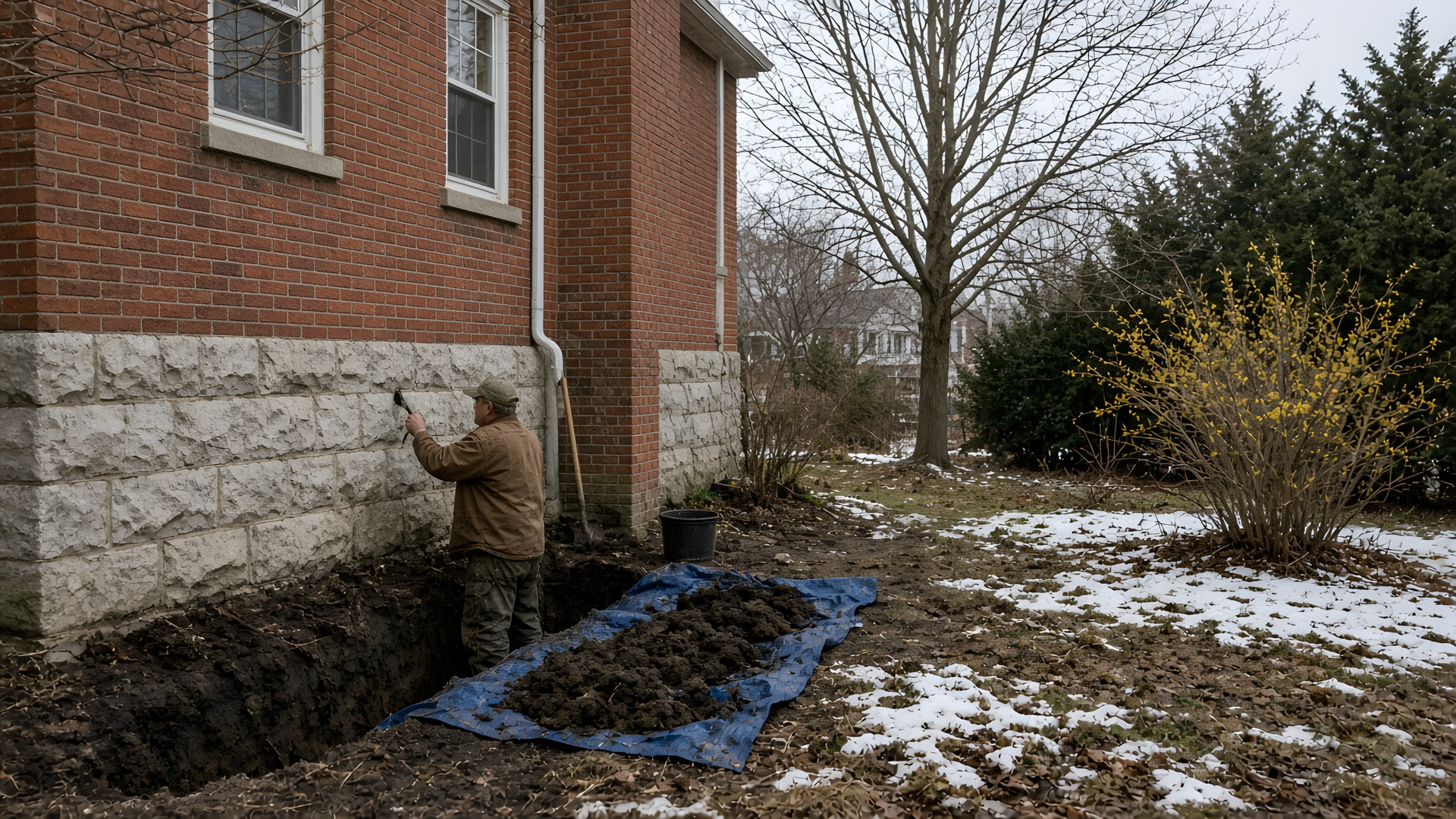
Exterior excavation beside a brick house with a stone foundation during a spring thaw
Early Clarifications

Four answers before the methods

Does the wet edge of a basement floor identify the entry point?

Not by itself. Water can move along the wall base before it becomes visible. Note the first damp location and whether it follows rain, melting snow or pump activity. A drainage assessment connects those observations with the wall, slab edge and discharge arrangement before a method is selected.

Can spring melt matter even without a heavy downpour?

Yes. Melting snow adds water at ground level, sometimes while parts of the yard remain frozen. Gutters, downspout outlets and snow piled against the house can change the route that water takes. The pattern at one property does not establish the cause at another.

Is a pump and a wall repair the same scope?

No. A sump system collects and moves water through a discharge line. A wall repair deals with a particular joint, crack or structural condition. Some basements need coordinated work, while others need a narrower repair. The written scope should distinguish those purposes.

Must finished basement walls be opened everywhere?

Access depends on where the problem is and what work is proposed. A floor-edge drain may require access along the affected perimeter. A localized wall repair can have a different access plan. Describe finished rooms during the call so disruption and reinstatement can be discussed before work is agreed.

Drainage Approaches

Methods arranged by water path

Water-Management Method

Interior collection

A floor-edge drain gives collected water a route toward a sump basin. Its layout depends on the wall base, the slab and access through the basement. It is a water-management method, not a structural wall repair. Explore interior drainage to understand where the channel goes and how the floor edge is restored.

Basement floor-edge channelRead method details
Masonry & Alignment

Wall and joint work

An isolated entry point is different from a wall that is changing shape. Cracks, masonry joints and wall alignment need to be considered before sealing, repointing or restraint is specified. The wall-and-joint page explains why the visible line is only part of the assessment.

Joints, cracks & restraintRead wall notes
Equipment & Outlets

Sump and battery planning

A sump arrangement includes collection, a pump and a workable discharge route. Battery support is a separate part of that plan, with its own capacity and maintenance needs. Ask how the basin, check valve, outlet and power arrangements fit together.

Basin, pump & dischargeRead pump planning
Ground Moisture Management

Crawl-space lining

A sealed ground liner is one part of crawl-space moisture management. Seams, support piers, wall terminations, standing water and air conditions all influence the scope. The liner should not hide an unresolved water route.

Liner, piers & seamsRead liner details
Diagnostic Signpost

Start with the water sign

A wet floor edge, a wall mark and a damp crawl space can point toward different questions. Use the water-sign pages to gather observations before choosing a method. You do not need to diagnose the basement to make a call.

Observe the pattern before selecting work
Property-Specific Assessment

Discuss Your Cellar

Describe where water first appears and when it returns. We discuss your basement layout and next steps by phone.

Regional Hydrology

Thaw above, water paths below

Rochester winters can include snow, thaws and rain rather than one continuous freeze. Snow piled beside a house may release water at the same time roof runoff reaches the foundation. The useful question is where that water goes at this property. Look at the ground, downspout outlets and basement together instead of assigning one cause to the season.

Older stone foundations, block walls and poured concrete do not present identical entry routes. A masonry joint can behave differently from the junction between the wall and slab. Soil beside an excavated foundation may also differ from material farther into the yard. This site does not assign one soil type or water-table level to Rochester or all of Monroe County.

The National Weather Service describes Rochester weather as changeable through winter and thaw periods. Building Science Corporation describes the importance of moving roof and surface water away from foundations. These are general explanations, not measurements of your yard. Your observations help turn a regional weather story into a property-specific discussion.

If water looks like a plumbing or sewage backup rather than seepage, say so during the call. The source and appropriate trade may differ. For a proposed discharge arrangement, confirm with your town or Monroe County.

Assessment Process

A scope with a reason behind it

Stage 01

Describe

Point out the earliest damp location you have noticed, the weather around it and any pump behaviour. Include whether the room is finished and how the basement can be reached.

Stage 02

Trace

An assessment considers the visible entry pattern, the wall base, outside runoff and existing drainage equipment. A photograph is context, not a substitute for checking the house.

Stage 03

Choose

Discuss the method, its limits, the access it requires and the route for collected water. The proposed scope should explain why that work fits the observations.

Stage 04

Check

Agree on the completion checks, restoration responsibilities and care of the installed equipment. Keep the written scope so later questions can refer to the same work.

Quote Factors

Price follows the scope

Factor 01

Perimeter and access

The length of drain, the path for removing material and the amount of finished flooring or wall finish in the way can affect the work. A basement floor-area measurement alone does not describe those conditions.

Factor 02

Wall condition and equipment

A localized joint treatment is not priced as a whole drainage installation. Pump selection, battery support, basin changes and discharge routing create different combinations. Wall movement may need a separate structural assessment.

Factor 03

A written comparison

Ask for the locations, method, equipment, access and reinstatement to be stated together. This site does not publish a price menu because those details have not been measured at your house. Call to discuss the next step toward a property-specific written quote.

Discuss your basement layout, wall construction and access routes to prepare for a measured on-site evaluation.

Call (585) 601-2398
Local Observation

Three Monroe County starting points

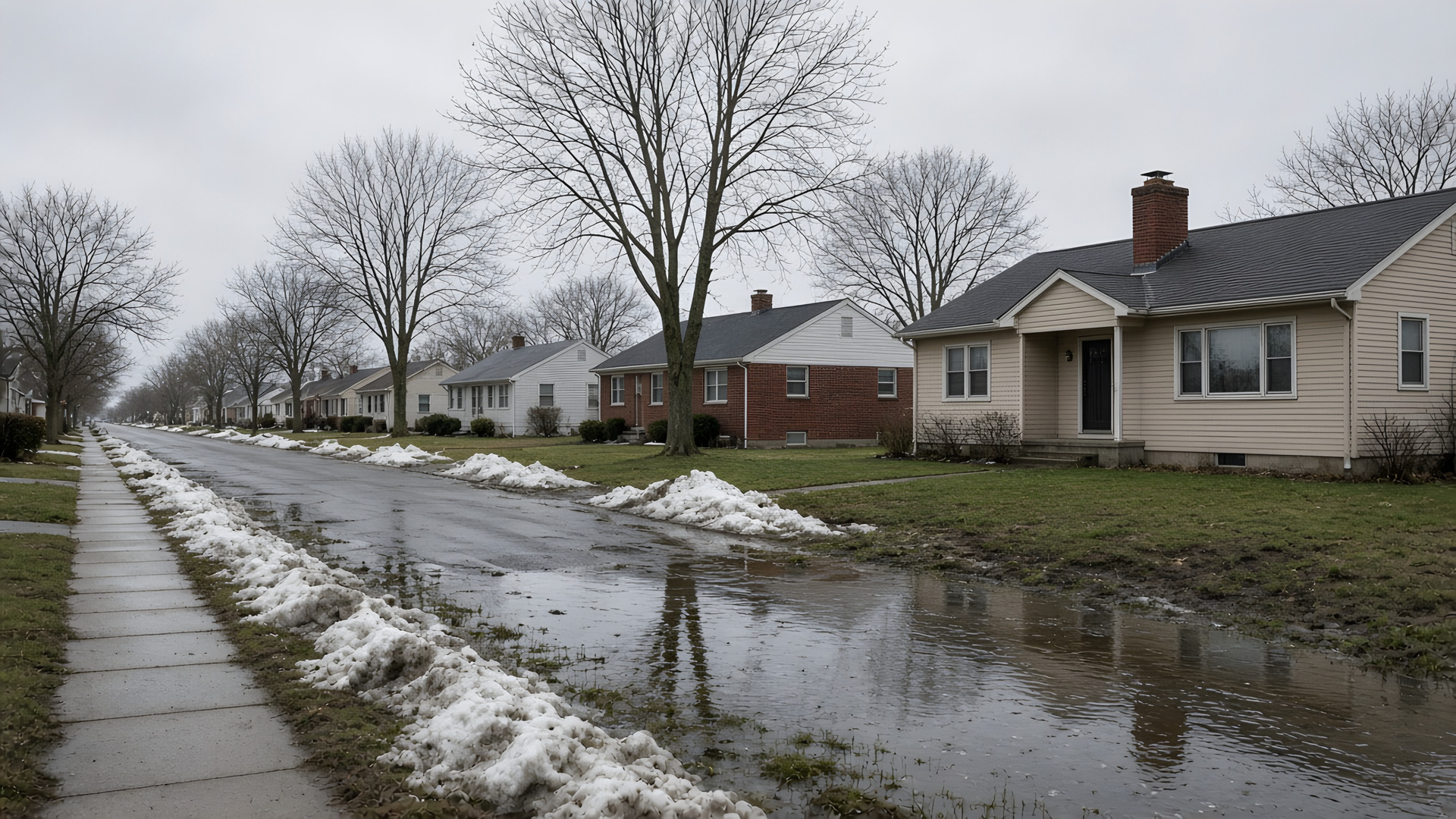
Houses along a residential street with melting snow and water at the road edge

Greece

The Greece page uses the thaw-season street photograph and focuses on recording water patterns around existing houses. A location in a lakeshore town does not by itself establish a basement water source.

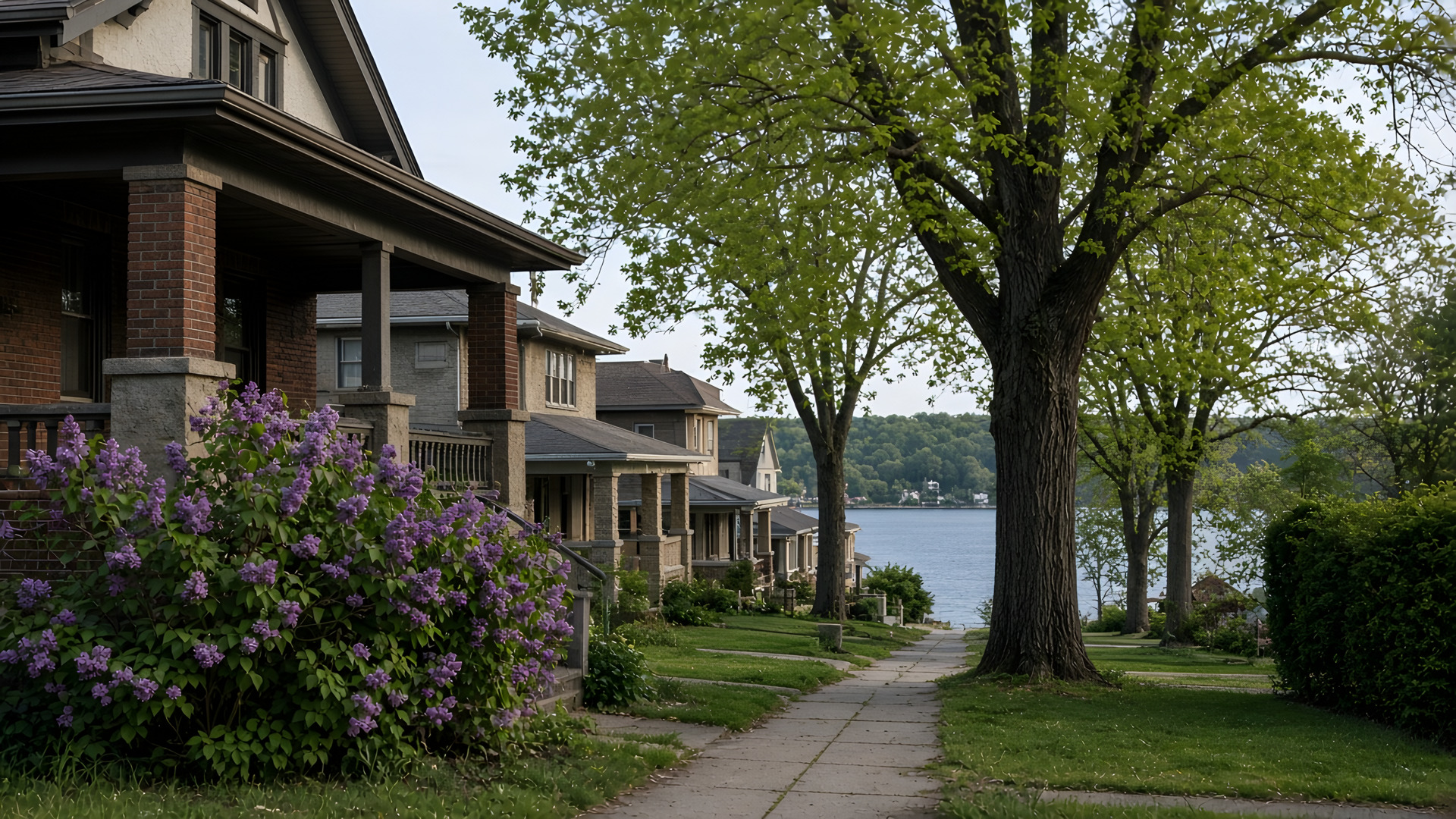
Older homes and flowering shrubs along a leafy residential sidewalk

Irondequoit

Irondequoit sits between the Genesee River and Irondequoit Bay, with Lake Ontario to the north. Local geography gives context, but the house, its ground levels and drainage arrangements still need their own assessment.

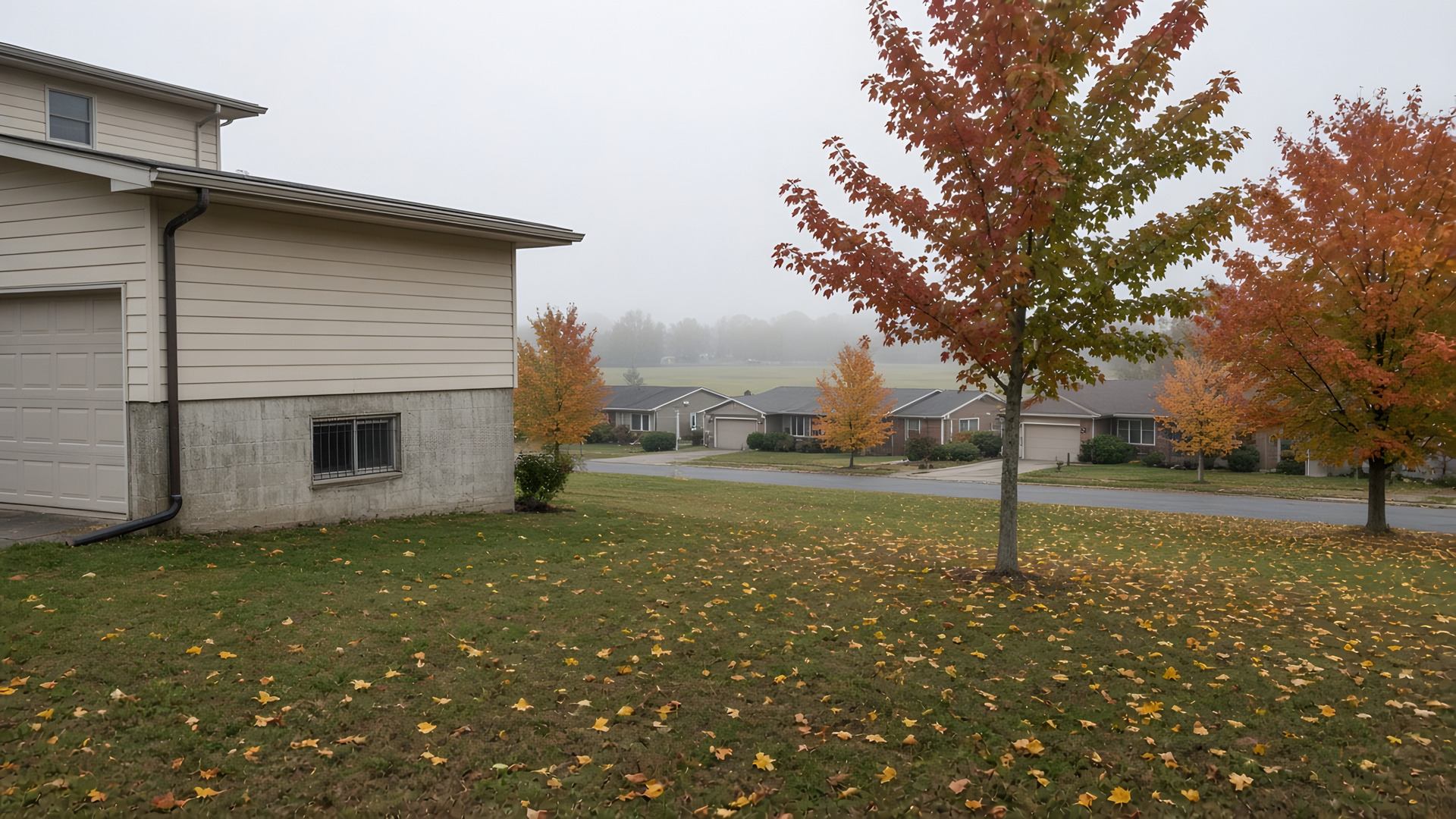
Raised-ranch home with an exposed block foundation beside autumn trees

Henrietta

Henrietta is in southern Monroe County. An exposed foundation wall and the ground beside it can offer useful clues, as the supplied raised-ranch photograph illustrates. Housing style alone does not select a waterproofing method.

Rochester is represented here on Home. The neighborhood pages connect back to the same four method pages, so you can compare the work without treating a town name as a diagnosis.

Direct Telephone Assessment

Bring the pattern to the conversation

Tell Rochester Basement Waterproofing Pros where water first appears and when it returns. You can discuss the basement layout, existing equipment and an assessment without choosing a method in advance. Call to check availability.

Calls answered directly. Discuss water patterns, access and next steps for your house.

Speak with an inspector(585) 601-2398